The short answer
Yes. The World is a firm affirmative in every list, and the sense of it is completion rather than permission. Read as permission to start something it is being asked the wrong question, since the whole composition is about a thing ending well.
Why the card reads that way
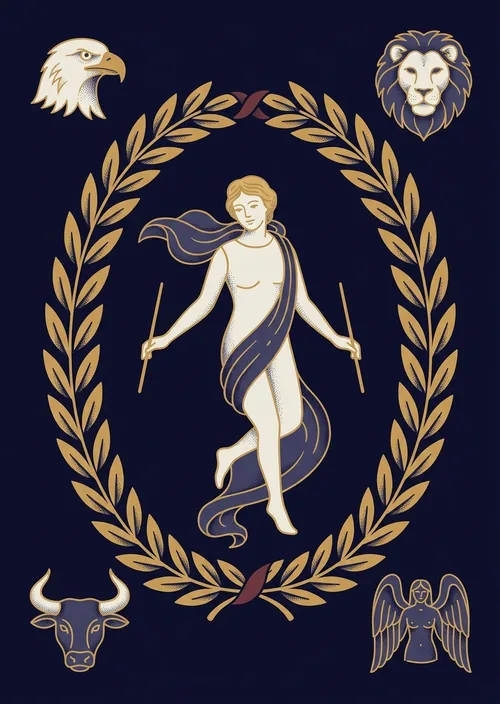
A figure dances inside a wreath with the same four creatures in the corners that appear on the Wheel. It is the final trump and the composition is closed.
The card is read as completion, integration and a cycle finished properly. That is affirmative, but the flavour is specific: it answers has this arrived rather than will this begin. Applied to a question about starting something, the same card is better read as saying that a previous thing needs finishing first.
The four creatures in the corners repeat from the Wheel of Fortune, and the repetition is usually read as the same set of forces, now settled rather than turning. That is another argument for hearing the yes as an account of something arriving at rest rather than as clearance for a new undertaking.
Reversed
Reversed, the readings are incompletion, a loose end, or a cycle closed prematurely. Most lists give a not yet rather than a flat no, since the reversal points at timing rather than at direction.
That makes it one of the gentler reversals among the trumps.
Where yes-or-no readings come from
Binary answers are a modern convenience laid over an older descriptive practice. Nothing in the inherited material converts a picture of a situation into a ruling on a question, and nothing needs to until someone asks a closed one.
Because the layer was improvised, it disagrees with itself. Which cards count as affirmative depends on the reader, the deck and the decade, and treating any single table as authoritative overstates what it is.
A better question to ask
Ask what is actually finished here and what only looks finished, rather than whether the next thing is approved.
The World is precise about completion and silent about permission. This site makes no predictive claim for any draw, and the reframed question does not depend on one. It also tends to produce an answer you did not already have, which the verdict form rarely does.